















Week 342
It is week 342 and we are thinking about how the education reform conversation changes when everyone...

Jump to: Top Tasks | From the Field | Key Resources | Moments of Resilience
It’s week 328 and we are thinking about how the world of work should influence what we are preparing kids for after high school.
“For much of the last few decades, some young people have heard a simple mantra: bachelor’s or bust,” Matt Barnum writes in a new analysis piece for Chalkbeat. “Now a wide swath of politicians, educators, and philanthropists are rethinking this. Some even suggest that there are numerous lucrative jobs that don’t require a degree.”
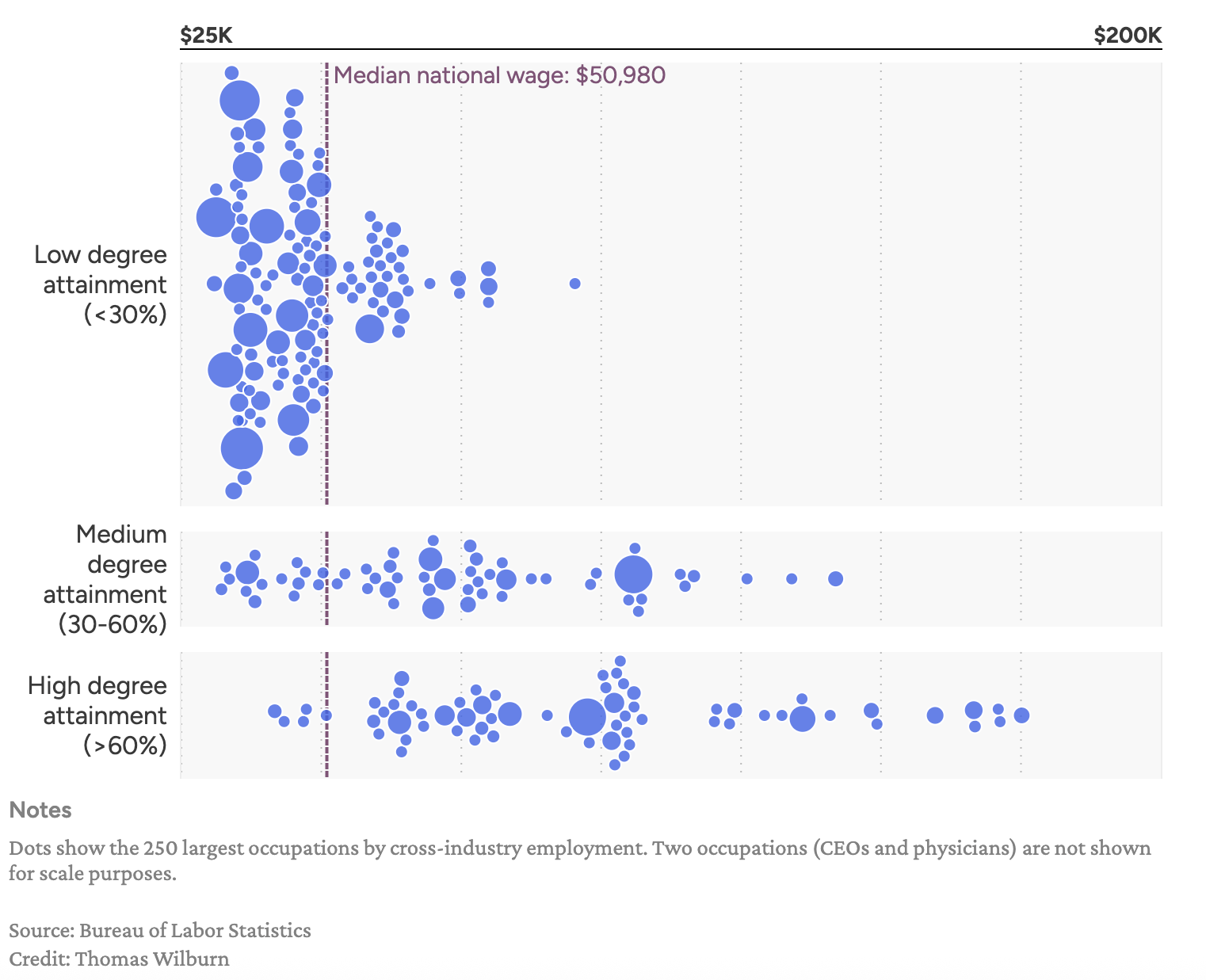
Barnum set out to answer the question of how likely it is for students who do not get a four-year degree to end up in a job with an above average salary. “The short answer is it’s certainly possible,” Barnum concludes, “but the odds are stacked against workers without degrees.” To illustrate the challenge, Barnum draws upon the latest data from the Bureau of Labor Statistics to plot the average salary for the 250 largest occupations in the US, sorted by how many workers have a bachelor’s degree in that occupation. The pattern is clear: “The vast majority of non-college roles, including blue collar trades, earn below-average wages.”
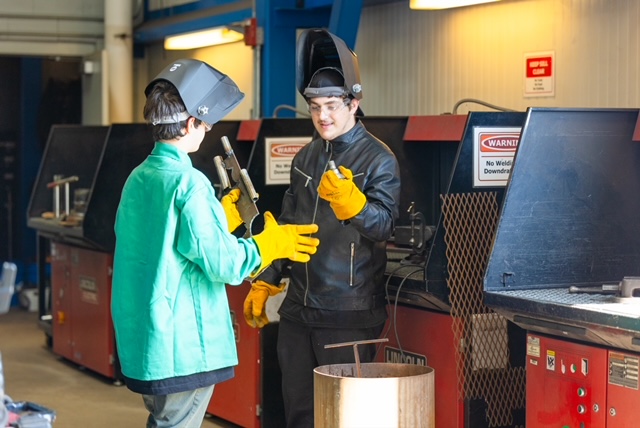
What does this mean for high school students who are looking for a path to a high-paying job without pursuing a traditional four-year degree? It’s clear that no matter what path students choose, we need to ensure that all high school graduates receive a strong academic foundation so that they don’t limit their future opportunities. For those who are choosing not to go directly into a four-year college program, high-quality career pathway programs can help ensure they get off to a strong start with the training needed to expand their opportunities.
In her new report on career pathways for FutureEd, Anne Kim argues it pays to start early with real-world experience: “Hands-on experience takes discussion of potential careers out of the abstract and concretizes specific pathways, leading to greater motivation and sense of purpose.” Kim also makes the case for a data-driven approach: “Timely, accurate data form the foundation of quality career navigation. Counselors and students must have access to meaningful information on local and regional labor markets, skills requirements for specific pathways, credentials of value, and trusted providers.” To prepare kids for the future of work, it is clear that we have a lot of work to do.
Last time in the New Reality Roundup, we dove into the release of the Long-Term Trends report from NAEP and took note of advancements in career pathways as a result of Louisiana Kids Matter’s legislative session. This week, we argue that the time for rapid scaling of summer programming is at hand and check in with DelawareKidsCAN’s Britney Mumford on a big win they’ve been chasing for the past six years that was passed last Wednesday and is headed to the Governor’s desk.
And if you missed it last week, be sure to check Liz Cohen’s latest policy brief, Bookways: From Bills to Bookworms where we chart what’s next for the science of reading.
Learn from the success of Summer Boost and invest more in making summer programming free for all
“My aunt said that me and my sister were not going to be sitting around in the house all summer,” student Malaysia Speight shared with Linda Jacobson at the 74 Million. As a student at Legacy Prep Charter in Alabama, Malaysia had a different option: “Lights, Camera, Action,” a three-week summer camp at the school that blends academics to prevent the summer slide with drama, music and dance as students create a theatrical production.
That program, and over 450 others at charter schools across the country, were made possible through Bloomberg Philanthropies’ Summer Boost program, which 50CAN has proudly helped administer as part of our work to build proof points of the future of education. Originally launched as an emergency response to pandemic learning loss, the benefits of making these summer opportunities a permanent part of the promise of public education are clear: Legacy Prep moved from a D school to a B school on the Alabama School District Report Cards last year, and network head Reneta Johnson points to Summer Boost as the major reason for the gains: “Our test scores were in the tank,” she told Linda. During summer school, “our kids have more time to talk to the teacher. They know what they need to focus on.”
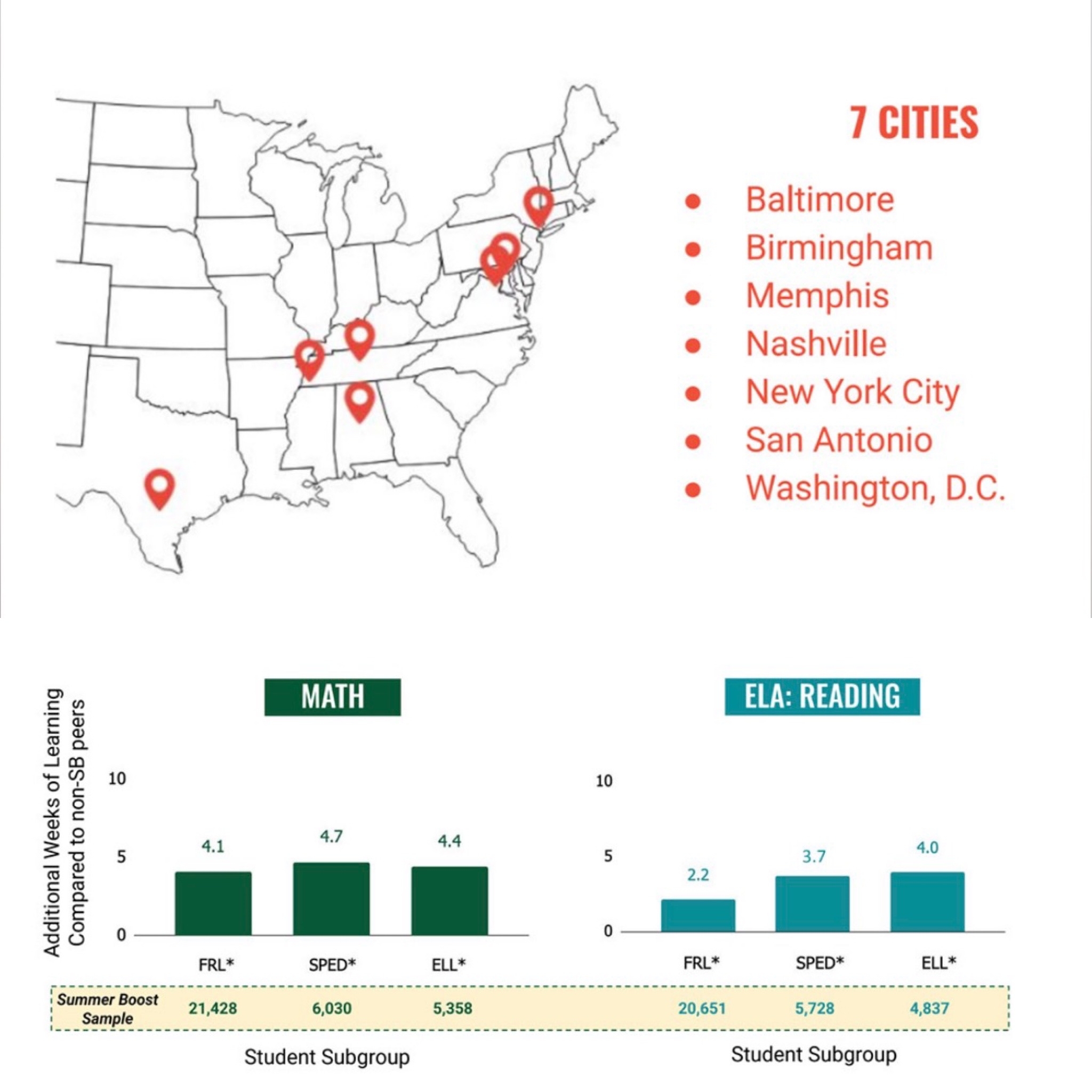
The results from across the country affirm this view: participating students learned more in both reading and math, with the biggest gains for the most vulnerable student groups. In an analysis of the program from Arizona State University, lead researcher Geoffery Borman was particularly impressed that results stayed consistent as the scale of the program increased and became available in more states and districts: “We’re talking, in this case, about tens of thousands of students per year,” Borman told The 74, citing Summer Boost as an example of a “one-off effort that produces groundbreaking impact.
Key to any scaling effort will be finding the funding to make it free to more students. As the Afterschool Alliance recently put it in a newly released a report: “With 1 in 2—or 12.6 million—children whose parents want them to be in a structured summer experience missing out, it is clear that communities across the country need additional resources to create more quality, affordable summer programs.” With philanthropy alone insufficient to reach all of the students and families desirous of summer programs, prime among the Afterschool Alliance’s policy recommendations is increasing public investments to scale up what’s working.
Celebrate a big step forward in Delaware
Delaware’s existing student funding formula was first put in place in the 1940s and has remained basically unchanged ever since. Or at least that was the case until last Wednesday, when DelawareKidsCAN helped secure a big legislative win. The new formula modernizes how schools are funded to put kids’ needs first. Here is what you need to know:
Adjusting the formula has been a priority for DelawareKidsCAN for the past six years. “The first thing Daniel, my predecessor in this role, told me as I was onboarding was that, ‘You have to keep fighting for a better funding formula,’” Executive Director Britney Mumford told us. “And that’s what we did.”
Using momentum from a legal challenge to the existing formula, last year Britney successfully fought for the creation of the Public Education Funding Commission. That commission, in turn, made recommendations of a weighted system that was taken up by the legislature this year in SB 302, which officially passed both chambers last week and heads to Governor Matt Meyer’s desk, who has been a strong supporter.
“This win belongs to so many people that have been fighting this fight for over a decade, including my predecessors in the ED role here, Atnre and Daniel, the advocates and coalition partners that have been with us since the lawsuit, and the parents and families that have been fighting for greater equity in the system. This win is for all of them,” Britney said.
“Connecticut has long had among the most burdensome charter approval processes in the country,” write Rebecca Greenberg-Ellis and Lucas Pimentel in The 74. But “something incredible happened in this year’s legislative session: Four new schools won approval, lawmakers provided a special fund specifically for charters, and charter paraprofessionals gained new benefits.”
Fresh out of the legislative session, the ConnCAN team is spending the summer furthering community engagement, including joining members of their Every Kid Counts coalition and State Rep. Jennifer Leeper to host a screening of the film Counted Out.
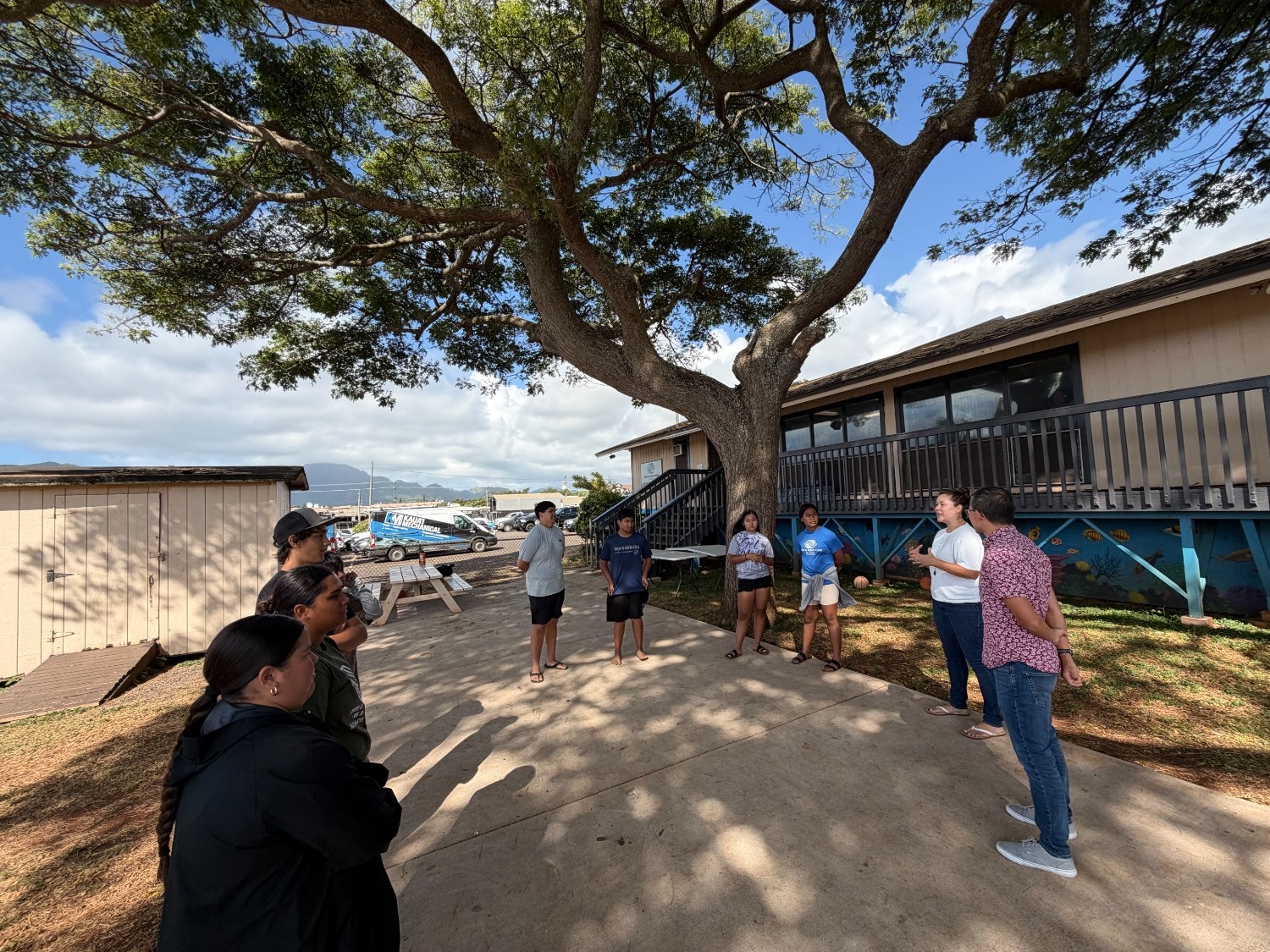
At HawaiiKidsCAN, the team gathered over the past week with fledgling youth advocates. Working in partnership with the Boys and Girls Club Hawaii, the team taught middle and high school students across three different islands and from nine clubhouses to help them understand the legislative process and build skills in policy analysis and public speaking.
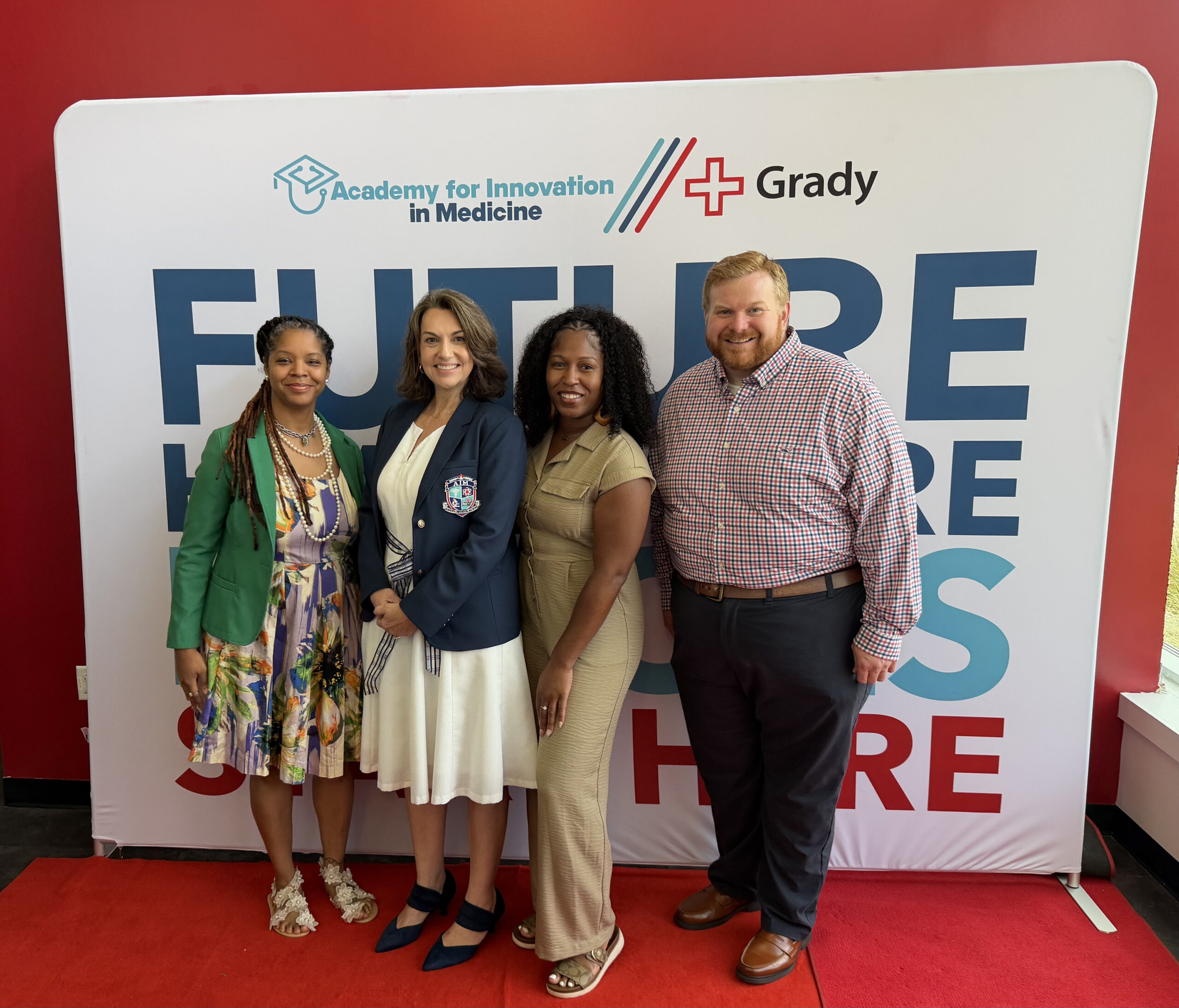
Atlanta, Georgia’s newest charter school, the Academy for Innovation in Medicine, is the first in the state to grant accelerated career diplomas, and students will work with Grady Hospital to develop core skills and prepare them for a career in health care. It was the parent advocates of GeorgiaCAN who worked for over two years on helping to shape and champion this charter, and so the GeorgiaCAN team was on hand to celebrate the launch.
Fordham considers whether the federal education tax credit should be expanded to early childhood education, where choice is already baked-in to the system.
EdChoice’s Robert Enlow, writing in Education Next, takes note of the winners and losers now that universal school choice is a reality in a growing number of states.
Education Next puts a spotlight on “sports academies” that aim to combine rigorous academics with top tier training programs at a top tier price.
Removing friction from dual enrollment programs, such as offering college courses on high school campuses during the school day, has an impact on dual enrollment rates, according to new research at EdWorkingPapers.
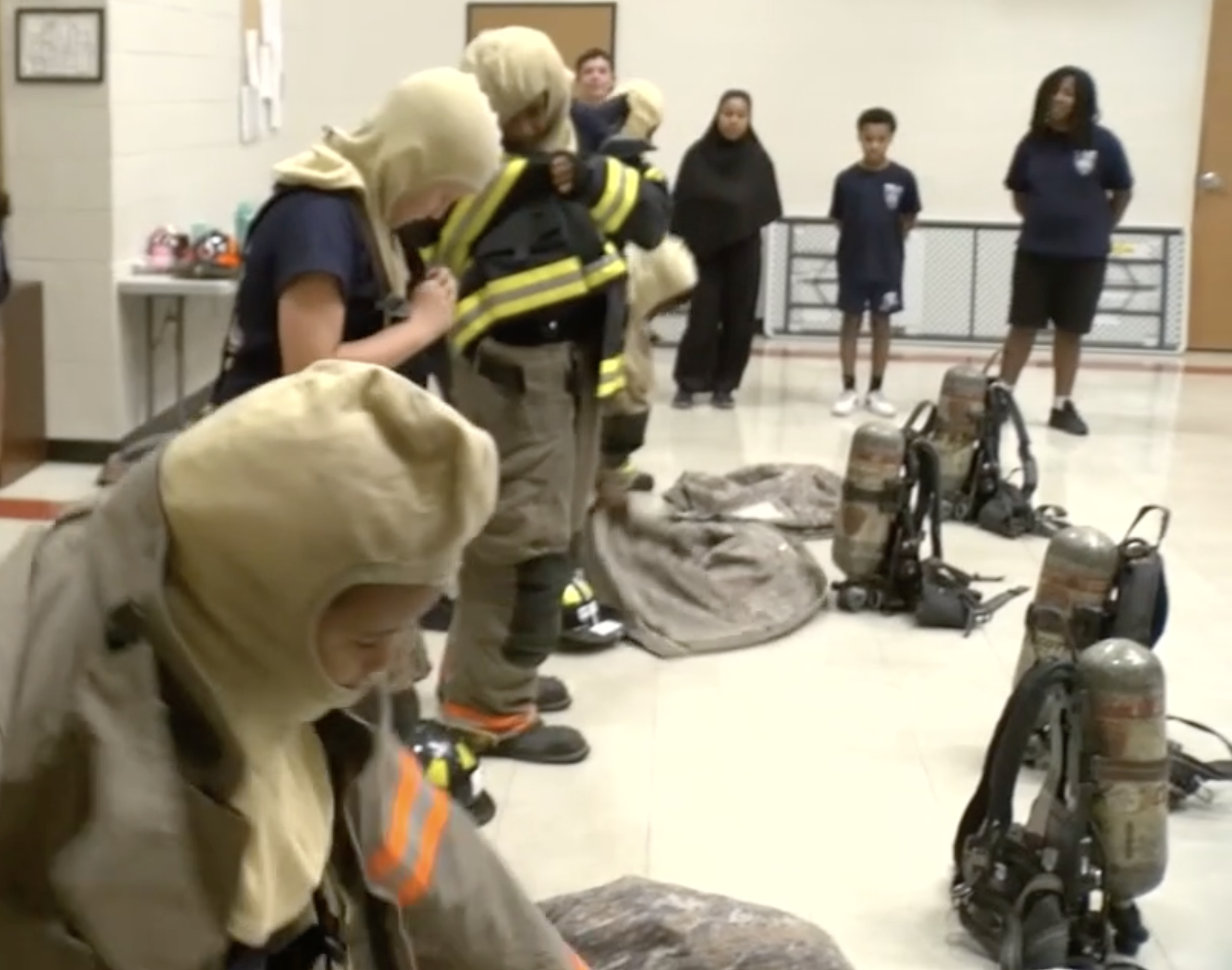
Lots of kids have claimed they want to be a firefighter when they grow up, and now a select group in Durham, North Carolina are seeing if that’s a career call they want to answer. From timed competitions on quickly getting into protective gear to navigating smoke-filled rooms, the students receive some of the same training sessions required of new firefighter recruits. Local ABC affiliate KQWC reports that with a goal of snagging top leaderboard spots for drills, “twelve-year-old Parker Alexander Hamlet said the competition is fierce.”