
















Week 344
It is week 344 and we are asking ourselves: what’s the evidence that education policy reforms actu...

Jump to: Top Tasks | From the Field | Key Resources | Moments of Resilience
It is week 344 and we are asking ourselves: what’s the evidence that education policy reforms actually work?
One of the biggest challenges we face as education advocates is overcoming the all-too-common sentiment that positive change isn’t possible. That’s why it is so important to put our policy ideas to the test.
In a new research report published by the Annenberg Institute’s EdWorkingPapers, University of Florida’s Florence Bason and Christopher Redding explore the impact of the adoption of Science of Reading (SoR) policies at the state level on a state’s reading scores on the NAEP. They find “SoR-aligned reforms are associated with modest but gradually emerging improvements in reading achievement, with stronger effects observed at longer post-adoption periods.” They note that the estimated effects “grew several years after implementation, reaching roughly 0.4 state-level standard deviations four to five years after the initial policy year … For policymakers, these findings underscore that state-level SoR reforms can improve reading achievement, though the effects are not immediate.”
It is heartening to see this encouraging evidence of the positive impact of state policy changes that we have fought so hard to secure. It should give us all an additional push to make sure that all those state policies are fully implemented in the years ahead. We should also reflect on the finding that the impact of these reforms was not fully realized until four to five years after they were adopted. As we found in our AdvocacyLabs research, “persistence is power.” We must organize our advocacy campaigns for the long haul so that promising ideas have the time needed to realize their potential.
Last time in the New Reality Roundup, we looked at how tutoring and making grades mean something again could have helped Nikole Hannah-Jones’ daughter access a great education earlier. This week, the second season of Sold a Story has dropped and Governor Hochul of New York has opted into the federal scholarship tax credit, two major developments in the national conversation over how to improve our schools.
PS: In case you missed it, the video of Derrell Bradford’s debate on the federal scholarship tax credit with Kim Anderson, Executive Director of the NEA, is now available from the Harvard Kennedy School. “I greet you from the land of $42,000/year public schools,” Derrell opens.
Put on the headphones for Sold a Story, Season 2
When the first season of Sold a Story, the podcast from acclaimed education journalist Emily Hanford, aired in 2022, the country took notice. The podcast landed on numerous top 10 charts and garnered over 7 million downloads. It went on to receive the duPont-Columbia and Edward R. Murrow awards for broadcast journalism. Even more impressive, the podcast was the rare education media story that broke through to the public, helping galvanize action in statehouses across the country and contributing to the momentum that led to the adoption of laws supporting evidence-based reading instruction in 43 states and the District of Columbia.
Now, Hanford is back with the first two episodes of a second season, asking why one of the most effective approaches to teaching ever studied is being underutilized: “Even after a massive government study showed his program worked better than anything else researchers tested, many educators rejected it. Today, the National Institute for Direct Instruction estimates fewer than 200 schools use the program with all their students.”
Robert Pondiscio, writing for The 74, notes the podcast is “no less powerful, meticulously reported or convincing than Season 1. But its central message is challenging and less comforting and it will be hard for teachers to embrace: an entire set of ideas and values many teachers admire and believe makes them good at their jobs might actually make them less effective … The prevailing view has long been that teachers should create or customize their own lessons, be given broad discretion and autonomy, and adapt instruction according to their professional judgment and the needs and interests of the children in front of them. Season 2 of ‘Sold a Story’ asks educators to reconsider all of those assumptions.”
Hanford’s protagonist in the first episodes is Zig Engelmann, the founding father of Direct Instruction, a scripted pedagogical approach that was incubated at the University of Illinois and became popular in the 1960s for producing significantly higher academic outcomes. For those looking to see the approach in action, Emily and her team at APM Reports have a helpful explainer video.
The story will develop through seven episodes over the next weeks, but the arc is already clear: despite strong evidence that the program was very effective in securing big gains in learning, it met with fierce opposition that ultimately ensured that most American families would never have the option for their children to be taught in a Direct Instruction classroom.
There will no doubt be a lot to discuss and debate. For now, we’ll recommend an accompanying reaction podcast by three of the brightest contemporary minds in education, 50CAN’s Liz Cohen, The Bell Ringer’s Holly Korbey and Chad Aldeman as they grapple, episode-by-episode, with Emily’s reporting.
Take note of the big news from the Empire State
Last week, New York Governor Kathy Hochul announced that she intends to opt-in to the federal scholarship tax credit, joining Colorado Governor Jared Polis as the first Democrats in gubernatorial offices to give families in their states the opportunity to secure additional funds for their children’s education, no matter the school type they attend.
Here is how Hochul explained her decision: “I’ve been clear from the start that New York would participate in the federal scholarship tax credit program if, and only if, all schools and students, including those in our public schools, could benefit. After a careful review of the federal regulations, we believe this program has the potential to bring millions of additional dollars to New York students and families without taking a single dollar from public schools or our state or local budgets. I’m not going to leave money on the table when it could help our kids.”
50CAN William E. Simon Policy Fellow Danyela Egorov was a frontline advocate who was key to ensuring that New York’s students would be eligible for the additional funds, raising public support through a dozen op-eds and meeting throughout the year with coalition partners and fired up parents. She wrote for City Journal on the win:
“The benefits for these and other families are likely to be substantial. The FSTC could raise more than $1 billion, depending on how many New York taxpayers decide to contribute. Even so, that’s a small sum compared with New York State’s nearly $40 billion education budget. And the FSTC program will not divert any funds from state and local sources. If Pennsylvania, Massachusetts, Connecticut, Maryland, and New Jersey don’t opt in to the program, New York will gladly take their donations and spend them on our neediest students.”
Whether other Democratic governors across the country will follow Governor Hochul’s lead will likely be answered between the November elections and the January 1 deadline, with states like Hawaii, New Mexico and Oregon reconsidering after previously announcing their opposition. Governor Shapiro of Pennsylvania signaled strongly last Thursday that he would ultimately opt in, while Governor Spanberger of Virginia continues to evaluate whether she will leave the program her predecessor opted into.
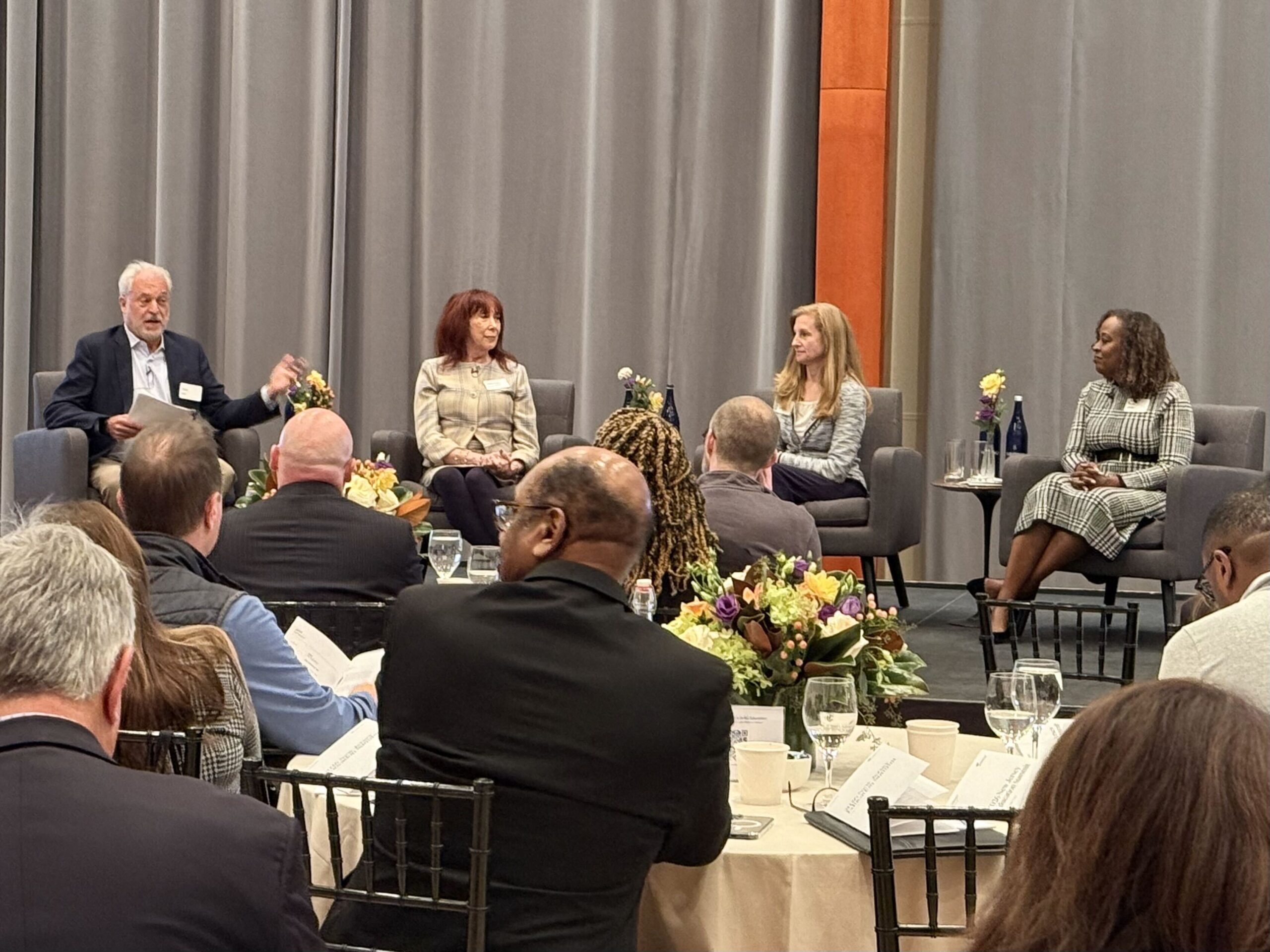
JerseyCAN Executive Director Paula White joined former NJ Commissioner of Education Chris Cerf, Laura Overdeck and Katherine Bassett at the JerseyCAN and JP Morgan Education Summit, where attendees took stock of the state of efforts to improve education in the Garden State, from the expansion of tutoring to implementation of the JerseyCAN-backed package of literacy reforms.
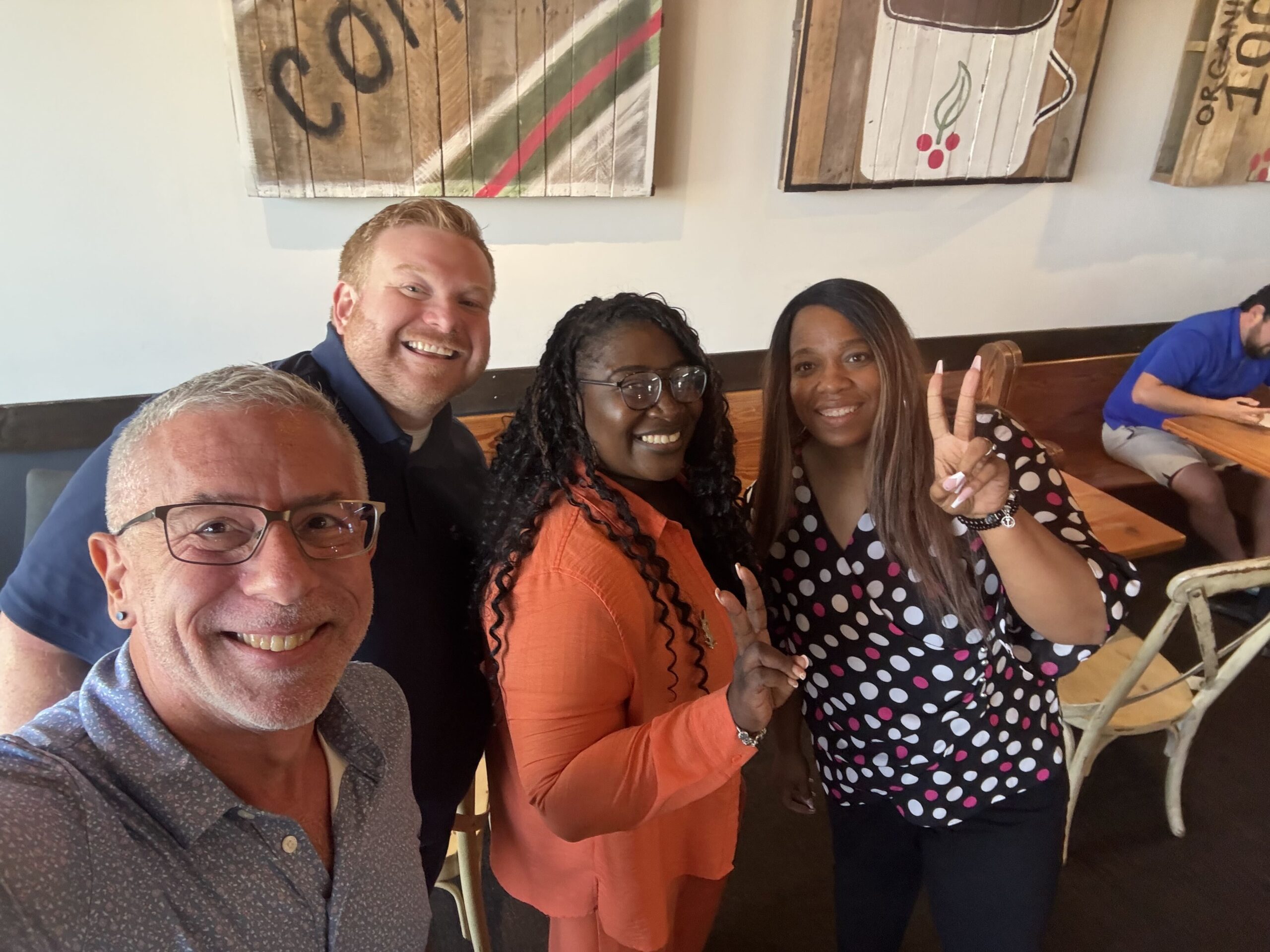
The DelawareKidsCAN team flew down south to Georgia to observe parent meetings and other organizing tactics from GeorgiaCAN, who have invested in developing a robust parent organizing and advocacy strategy. “The experience of visiting the Georgia Team was insightful: how dedicated the staff is to providing support for parents and community members. The one-on-one sessions in Albany were a testament to the work that Steven Quinn has done over the years cultivating trust and understanding but more importantly commitment to the community and their children.”
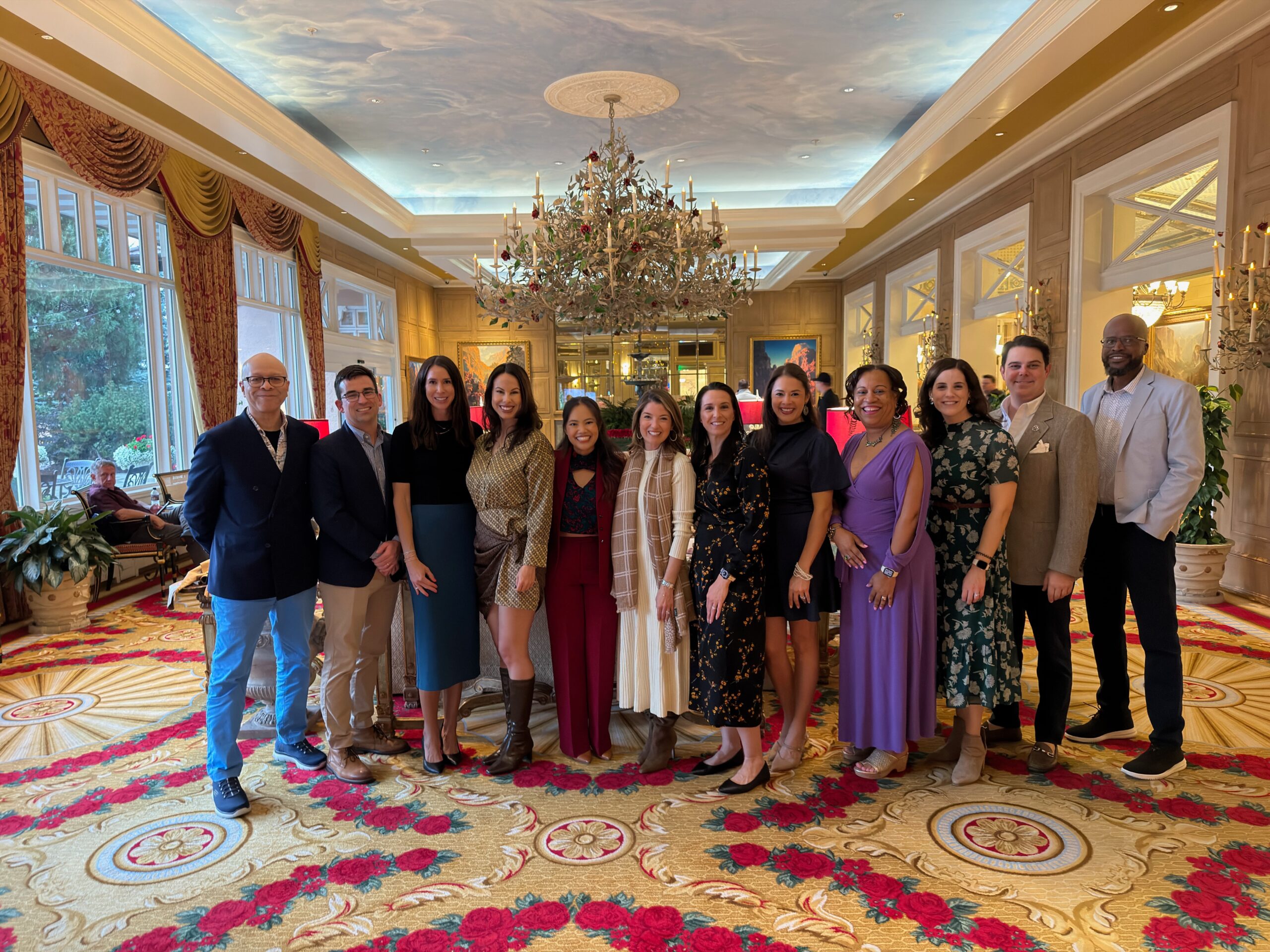
The eighth cohort of the National Voices fellowship had their final in-person retreat in Colorado, where fellows doubled down on on-camera media skills, discussed emerging policy trends in education, and even had time for a hike in the Rockies. Applications for Cohort IX are open now!
ConnCAN Executive Director Steven Hernández presented at the annual Grantmakers for Education conference, where his session From Education to Opportunity: Investing in Whole-Family Outcomes spurred conversations on strategies for ensuring we’re creating systems that will lead to stronger long-term outcomes for students and families.
HawaiiKidsCAN Executive Director David Sun-Miyashiro’s piece was one of three featured op-eds in the Star Advertiser’s special edition on higher education. David’s column focused on the tight link between college affordability and college access, highlighting the team’s work on FAFSA enrollment and school partnerships to make college a reality for more students.
Reason Foundation mapped and graded the state of public school open enrollment policies across the country. Oklahoma, Arkansas and Idaho lead the pack.
An analysis of private tutoring centers, published by EdWorkingPapers, found that the centers increased college entrance exam scores and attendance at out-of-state colleges, but did not result in a meaningful increase on state K-12 assessments.
Rick Hess speaks with neuroscience professor Daniel Ansari on whether a “science of math” is needed and what it might look like.
New research published by EdWorkingPapers finds that the national teacher turnover rate increased during the last school year (2025-26) to 14.6% but is likely to decline in the years ahead.
At AEI, Nat Malkus and Sam Hollon offer a new study on the educational advantages of playing varsity sports, finding that participating students have fewer disciplinary incidents, suspensions and expulsions than their peers.
Students of color are much more likely to attend school in antiquated or inadequate facilities, Brookings reports, while noting that new school construction can boost both attendance and reading scores.
FutureEd hosted a webinar on student-centered strategies for navigating career pathways in an increasingly complicated world.
Move over, Costco. In Queens, New York, teachers from all across the Big Apple make an annual journey to a 35,000 sq ft warehouse to pick up free supplies for their classroom. With a $220 voucher, teachers can walk the aisles and find the materials most needed for their class. You can learn more from coverage in Chalkbeat.