















Week 336
It is week 336 of our new reality and as students across the country prepare to embark on another sc...

Jump to: Top Tasks | From the Field | Key Resources | Moments of Resilience
It is week 334 and we are thinking about what’s next for school choice and education innovation in America.
The last five years have seen a flurry of legislative victories that have dramatically expanded school choice across the country. At the same time, we have seen a burst of activity from teachers and parents embracing experiments with new modes of education. What will the next five years hold?
That’s the big question driving a gathering of some of the most impressive thought leaders in this space at Harvard University on Sept 17-18, including 50CAN’s Derrell Bradford and GeorgiaCAN’s Ty’Sheka Lambert. Registration is now open for attending in-person ($100) or virtually (free). You can see all the speakers and panel topics on the conference home page.
Ty’Sheka shared her excitement: “We’re learning so much from Georgia’s families as they navigate an expanding range of educational opportunities, and I can’t wait to share more about our work to ensure that families have the clear, accessible and reliable information they need to make informed decisions.”
The education conference circuit is pretty busy in the fall but we think you won’t regret making time for this one.
Last time in the New Reality Roundup, we looked at research from Brookings that found contrary to popular belief, low-income districts are spending more dollars on students than high-income districts. This week, we look at two signposts on the winding road of artificial intelligence in education: educator and parent hunger for data skills and the rise of what Rick Hess has dubbed the techlash.
“We have the ability to help schools prioritize critical thinking, academic foundations, and data literacy skills to set kids up for success in this brave new world,” Data Science 4 Everyone’s Zarek Drozda writes in a new report and poll they’ve authored in collaboration with Mathematica.
The survey, which polled parents of K-12 students, K-12 educators and district officials in Tennessee, Colorado and Louisiana, found a deep gulf between what parents and teachers want for students and what schools are providing. Among the findings:
For a look at how this push for data literacy is playing out in the classroom, 50CAN Math and Data Science Policy Fellow Anahit
Baghshetsyan penned an op-ed where she shared the story at The 74 of how one Wisconsin school is piloting a new approach to building data literacy.
Harvard University’s Jal Mehta sat down last week with AEI’s Rick Hess to discuss the growing backlash against digital devices and education technology. Rick sets the stage by sharing exactly why he believes this moment has happened, casting a much wider net than simply pointing to AI firms in Silicon Valley.
“The blowback is clumsy and mostly unconcerned with fine distinctions, but that’s understandable,” Rick writes. “This is what happens when tech vendors and pie-eyed district leaders spend years dismissing skeptics while hyping ‘innovation.’ Parents and policymakers are responding to the tech-fueled anomie suffusing their kids’ schools with the crude tools available to them—bans and restrictions. None of this is particularly well-designed, of course. It’s the pendulum swinging back on a tech sector that talked big and underdelivered. For the tech boosters and their ‘reform-minded’ cheerleaders, the bill has come due.”
The pair spend time talking through how rising fears and insecurities about the rise of AI have accelerated the techlash, but also note that parents are ultimately concerned about the happiness of their children. “It seems like the world is gradually realizing that giving every young person a highly addictive device to carry 24/7 may not be such a good idea,” Jal notes. “Especially when you realize that a big part of growing up is having in-person experiences.”
If there’s a lesson to be learned for the field, from advocates to ed tech entrepreneurs, Rick suggests that the techlash needs to be taken seriously, in a way that he doesn’t currently see: “When I ask [ed tech builders] about social media, phones, and parental concerns, they wrinkle their brow and explain, as if I’m an especially slow child, ‘But these are out-of-school issues.’ … I’m not convinced that’s a helpful distinction.”
For those who missed it, Liz Cohen’s prescription for the near-term is a pause and reassessment of the role of technology in the classroom, thoughts she elaborated on at The 74.
It’s back to school week for Peach State students, and the GeorgiaCAN team is hosting a parent workshop on Thursday with a panel of educators to learn how they can partner with teachers to support their kids in the first months of school.
strong>William E. Simon Policy Fellow Danyela Egorov is closely tracking efforts by New York’s United Federation of Teachers, and affiliate groups, to pressure Governor Hochul to pull back on her promise to deliver the federal education tax credit dollars to New York families. In the New York Post last week, Dany called out and outlined the UFT’s strategy and asked the question: why would anyone turn down $1 billion dollars for New York kids?
Mickey Revenaugh, writing for Education Next, explores themes in her new book, School’s Out: Why Families are Choosing Unconventional Education, where she shares how neurodivergence has powered the boom of microschools to number more than 100,000.
At EdWorkingPapers, Stanford’s Farah Mallah finds that adding Advanced Placement courses to a school makes the student body more socioeconomically integrated over time.
Next week, Bellwether’s Andy Rotherham hosts a LinkedIn Live conversation with Reed Hastings and Mike Goldstein on if AI will help or hurt tutoring.
Urban Institute investigates how changes to the Community Eligibility Provision, or free school meal program, has had a major impact on whether or not schools can afford to stay in the program.
Former NJ Education Commissioner Chris Cerf, writing for The 74, argues for outcomes-based accountability in district contracting, including a promising experiment in Indiana on literacy contracts.
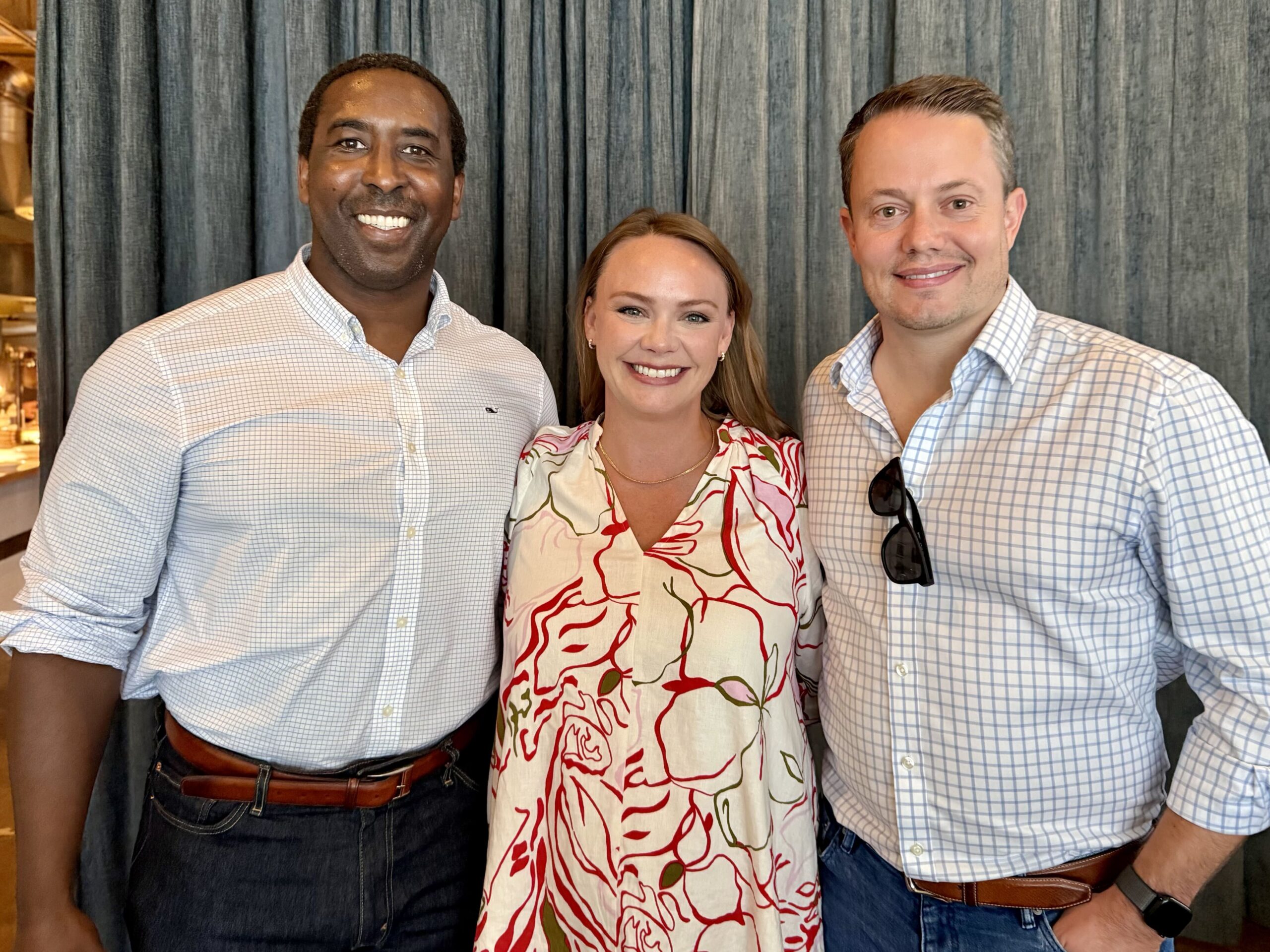
The Executive Directors of the 50CAN network met this week in Nashville, TN to huddle with local partners, discuss strategy and to collaborate on their legislative goals for 2027. The EDs were joined by special guests throughout the week, including former TennesseeCAN Executive Directors Victor Evans and Brent Easley, who have remained critical partners for current leader Chelsea Crawford.