















Week 314
It is week 314 and we are thinking about what it takes to ground our work in evidence of impact.

Jump to: Top Tasks | From the Field | Key Resources | Moments of Resilience
It is week 314 and we are thinking about what it takes to ground our work in evidence of impact.
“The test of any advocacy campaign is simple: is it making life better for the people it was built to serve?” we write in our new annual report. “That is the standard we’re holding ourselves to at 50CAN as we work to usher in this new wave of educational opportunity” and it is also “the standard we ask you to use in judging our work.”
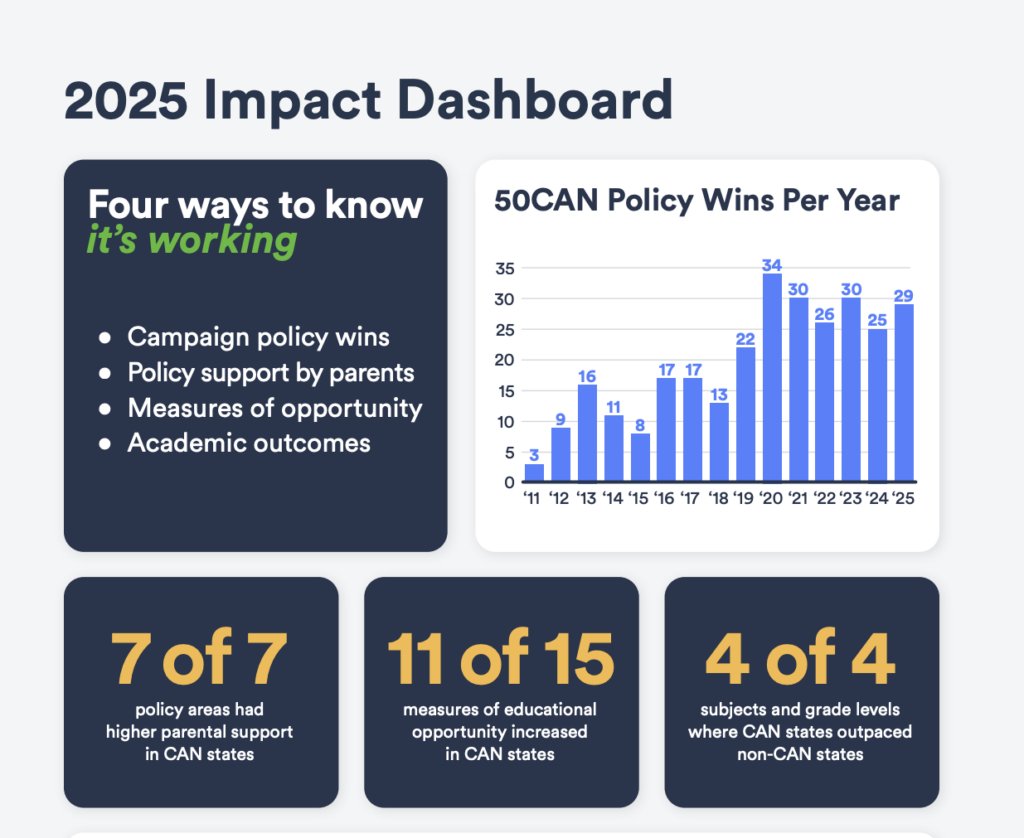
One way we help you do that is by carefully tracking the work of our policy campaigns. That starts by setting clear policy goals at the start of each legislative session, reporting on the advocacy work we take on during these sessions, and sharing both our wins and losses at the end of the year. It also includes drawing on experiments in what works in advocacy to develop proven tactics for these campaigns. But we can go much further to understand what all this policy change adds up to in the lives of the students and families we serve. That’s why we invested in a second edition of our 23,000-parent, 50-state survey and put a spotlight on what changed in a new Impact Dashboard section of our annual report.
Here is what we learned: CAN states increased in 73% of the educational opportunity measures since 2024 and outpaced the change in non-CAN states in seven of these measures, including school satisfaction. Parents in CAN states also showed stronger support for our policy priorities on all seven areas we measured. And when we looked at the most recent round of NAEP results, we found that CAN states outpaced non-CAN states in the growth of reading and math scores at both the 4th and 8th grade level. In fact, the percentage of CAN states that improved their scores (60%) was nearly double that of non-CAN states (35%).
It’s not always easy to gather evidence of impact. Education outcomes are shaped by countless factors and in each of our states we work in deep partnership with a rich coalition of advocacy groups, educators and public servants. But we do think the connection between sustained advocacy and family and student outcomes is encouraging and should give us all the confidence to go further as we push for bold changes that put students first.
If you are looking for ways to get even more involved in this work, we would love for you to consider our FIRE fellowship, which hosts virtual trainings for parents from across the country who want to continue to sharpen their skills as advocates for kids. Applications are open for the next cohort now.
Last time in the New Reality Roundup, we tracked HawaiiKidsCAN and ConnCAN’s legislative progress and looked at the changes Sonja Santelises is driving on classroom technology and screen usage. This week, we’re buckling into the passenger seat as we head out on a roadtrip with Executive Directors Chelsea Crawford, Michael O’Sullivan, Paula White and Steven Hernández to follow progress across an array of bills moving through the legislative process.
The Tennessee and Georgia legislative sessions are in full swing and Executive Directors Chelsea Crawford and Michael O’Sullivan and their teams are running up and down hallways in the Capitol. In both states, progress is being made on a host of bills across the Believe in Better framework.
“I cannot underscore enough just how frustrated I was at the misuse of Covid-19 recovery funds,” Chelsea says, explaining the motivation behind the Better Spending, Better Schools bill that she’s been championing this legislative session. “Parents deserve to know how their tax dollars are being spent. Transparency should never be a fight.” She points to last month’s release of the Educational Opportunity survey, which found that nearly half of parents in Tennessee said they were unfamiliar with how budget decisions were made in their child’s school and less than one in four said they were very confident they understood these decisions.
Thus far, it appears that legislators in Tennessee agree. With Chelsea’s advocacy, the bill has fought through both a House and Senate committee and is being scheduled for a floor vote in both chambers. “What’s been most appealing to legislators, in my eyes, has been the idea that fiscal transparency will let us gauge the return-on-investment of the many reforms that we’re pushing at once. There’s a collective sense that the best decisions rely on excellent information,” Chelsea reflected.
Financial transparency is just the start of TennesseeCAN’s plans in 2026. They’re also working on expanding last year’s Education Freedom Scholarship so that another 40,000 waiting families have access. “The Governor has issued a call that we need to serve these families who have been waiting, and that’s a call that’s being seriously considered,” Chelsea explained. The 50CAN survey found that the work so far is paying off: the percentage of Tennessee families who say they feel like they have a choice in what school their child attends increased six points since 2024. This additional ESA expansion cleared the Senate Education Committee on a 7-2 vote and awaits a committee vote in the House, which is the chamber to watch for this bill.
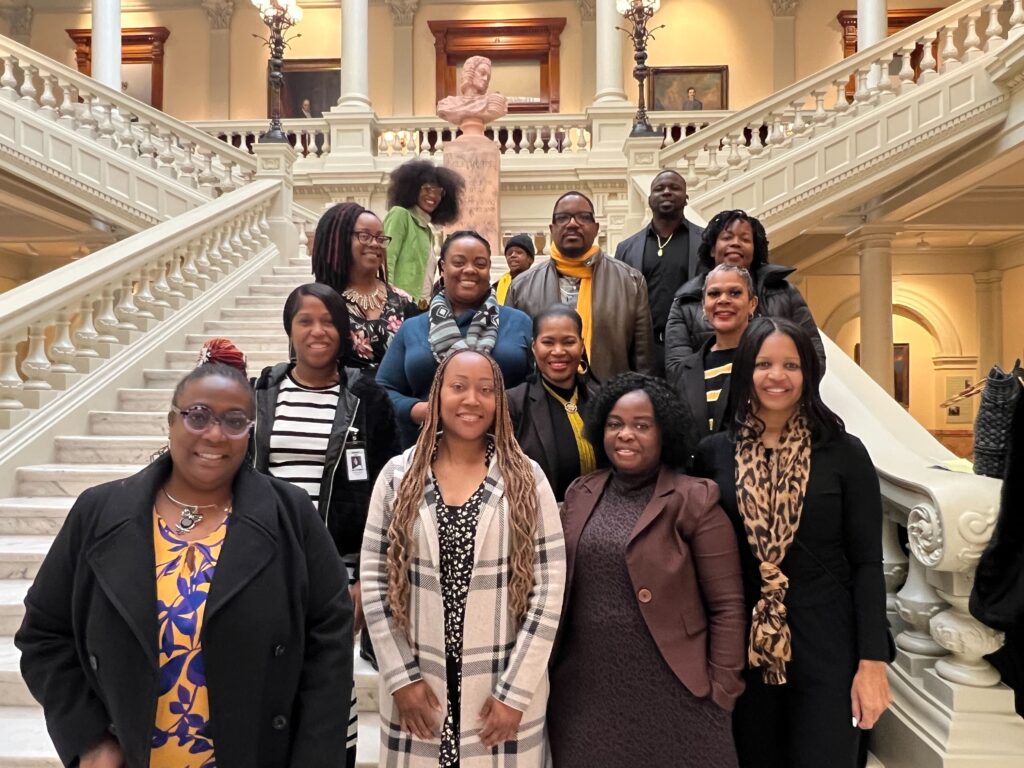
On the other side of the Blue Ridge Mountains, the team at GeorgiaCAN is in the midst of a legislative juggling act. “I wish everyone who reads the Roundup could see Michael O’Sullivan in action,” State Outreach Director Steven Quinn says, “This is the largest number of bills that we’ve worked on in a single session, and somehow he’s driving everything forward at once.”
Among those bills are a financing mechanism to support charter schools with facilities costs, an evaluation system of teacher preparation programs in state colleges and universities, and a furthering of the Top State for Talent Act that has already passed both chambers and is on the way to the Governor’s desk. “These are all critical bills for advancing our agenda, from career pathways to choice,” Michael explains, “But I’m most encouraged this year by the traction we’re making on building a stronger high school experience for students.”
One is the Math Matters Act, which passed through the Senate Education Committee and will increase instructional time for foundational math in elementary school, provide better training on math instruction and adds Georgia to the growing number of states that automatically enrolls students in advanced high school math courses when they’ve demonstrated readiness in middle school. Another is the Distraction-Free School Act, which will extend to high school last year’s K-8 law restricting cell phones during the school day. The 50CAN survey found that Georgia students’ social media use was the 7th highest in the nation and their AI use was the 2nd highest in the nation. After securing widespread support in both the House and the Senate, this bill is heading to the Governor as well.
“I think that the Distraction-Free School Act is going to be a real game changer,” Steven Quinn tells us, “We have so many parent advocates who have expressed concerns over screens and social media.” Another bill Steven is working hard on this session is GeorgiaCAN’s charter facilities funding legislation, which removes one of the biggest barrier to giving parents more school options.
Next, we’re heading north out of the Piedmont and up to the Tri-State area, where JerseyCAN’s Paula White and ConnCAN’s Steven Hernández are digging in on literacy.
“The first thing to understand is that New Jersey has a pretty unique legislative calendar among the states, we’re two months into a two-year session that will run through the end of 2027. And so right now, we’re working with the Governor’s team to ensure that coaches are a major part of the allocation of state literacy dollars,” Paula shares, also noting that the next phase of quality implementation is going to be in narrowing the scope of curriculum to the highest-quality instructional materials. “We’ve made some progress here but, as is often the case with implementation, we’ve realized we need to go further. Right now, it’s about finding the right vehicle: we could do this with legislation, we could do this with regulation. We’re looking at other states and gathering coalition partners to find the best path forward.”
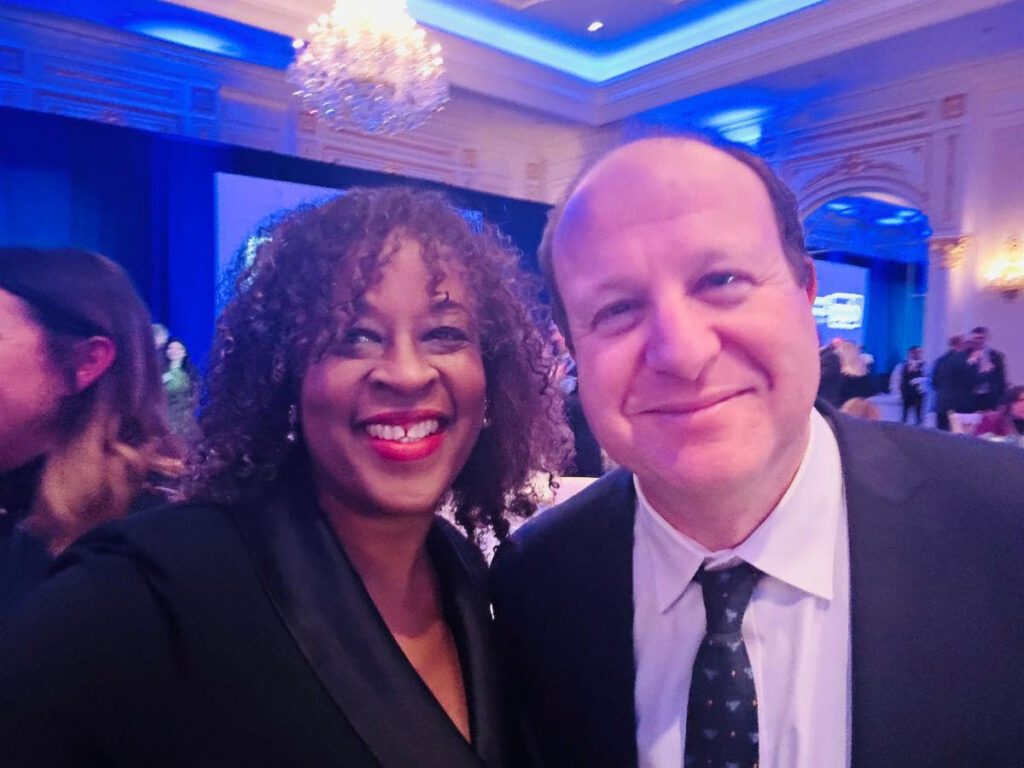
Paula recently attended a meeting of the Democratic Governors in Washington DC, where she huddled with both Colorado’s Governor Polis and Massachusetts’ Governor Healey to talk literacy. “There’s a lot of great ideas coming out of Colorado on literacy,” Paula shared, “And Massachusetts wants to go even further, especially on curriculum.”
On the other side of Long Island Sound, Steve Hernández shared a new update from the capitol’s foyer. “I actually just stepped out of the Education Committee hearing for SB220, which is our literacy bill that mandates support for students in grades 4-6 who are behind in reading. A recent report found that those students numbered over 50,000 in Connecticut.” That bill passed out of the Education Committee and is now heading to Appropriations to determine the funding allocation.
In addition to literacy, the ConnCAN team is working on strengthening funding and streamlining the approval process for new charter schools. Steven also collaborated with ConnCAN board member Deepa Javeri on a pair of phone-free schools bills to invest partners and broaden the coalition of support. The policy idea itself, however, is one that worked its way across the 50CAN network after GeorgiaCAN’s win last year. “I shared what Georgia did last year with partners across the state, and I was a little surprised at the depth of interest. Michael and his team definitely inspired our work on this, and helped to prove the appetite was there,” Steven says.
50CAN President Derrell Bradford made the case for ending educational redlining in NYC in a new op-ed for the Wall Street Journal, while our VP of Policy, Liz Cohen, took a hard look in the 74 Million at what the Educational Opportunity Survey tells us about tutoring, finding that parent demand is running into cost and transportation barriers.
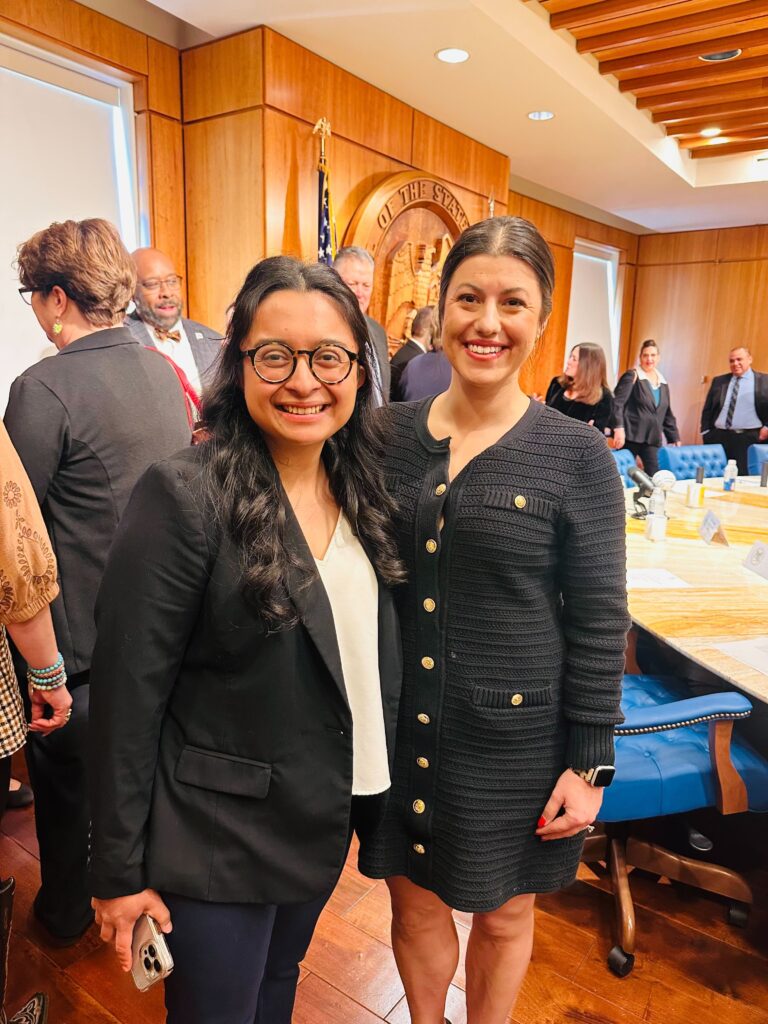
Following the culmination of a three-year fight to strengthen math and literacy in the Land of Enchantment, NewMexicoKidsCAN’s Amanda Aragon and Dominica Chavez took a photo to commemorate the hard work that resulted in the twin passage of math and literacy reform packages.
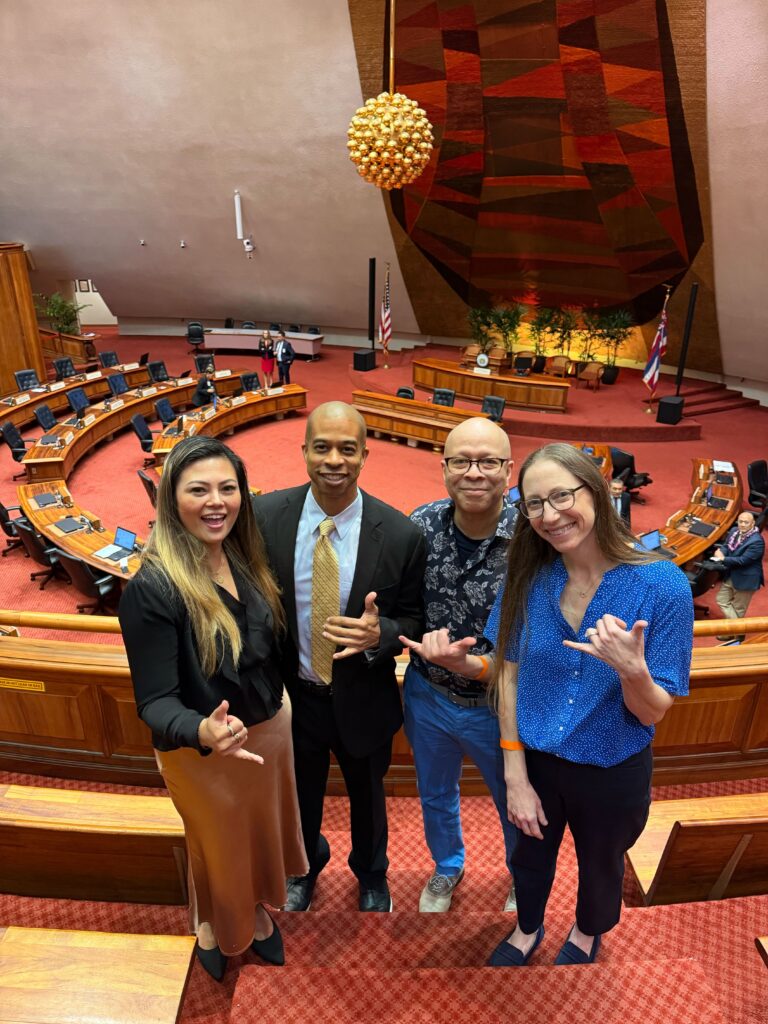 Derrell Bradford and Liz Cohen were surprised to hear their names called out by Representatives La Chica and Woodson from the floor of the Hawaii House chamber. Visiting for House Education Week, where legislators celebrate outstanding schools, educators and students, the pair joined Executive Director David Sun-Miyashiro and Advocacy Director Erica Nakanishi-Stanis to share the most promising ideas from across the country on literacy, math and tutoring.
Urban Institutelooks at the impact of a $100 million state investment in Pennsylvania for student mental health, finding that the sustained funding allowed more than 500 schools to hire counselors, social workers and psychologists.
A research study published at EdWorkingPapers researchers found that prolonged exposure to school shutdowns had a lasting impact on students’ chronic absenteeism rates.
Students’advancement through increasingly challenging math coursework was disrupted by prolonged school shutdowns, with advancement rates lower the longer school buildings were closed down, according to new research published at EdWorkingPapers.
Education Next tells the story of North Carolina’s Central Wake High School, a “second chance” high school that has tripled in population by offering flexibility to students on everything but high academic standards.
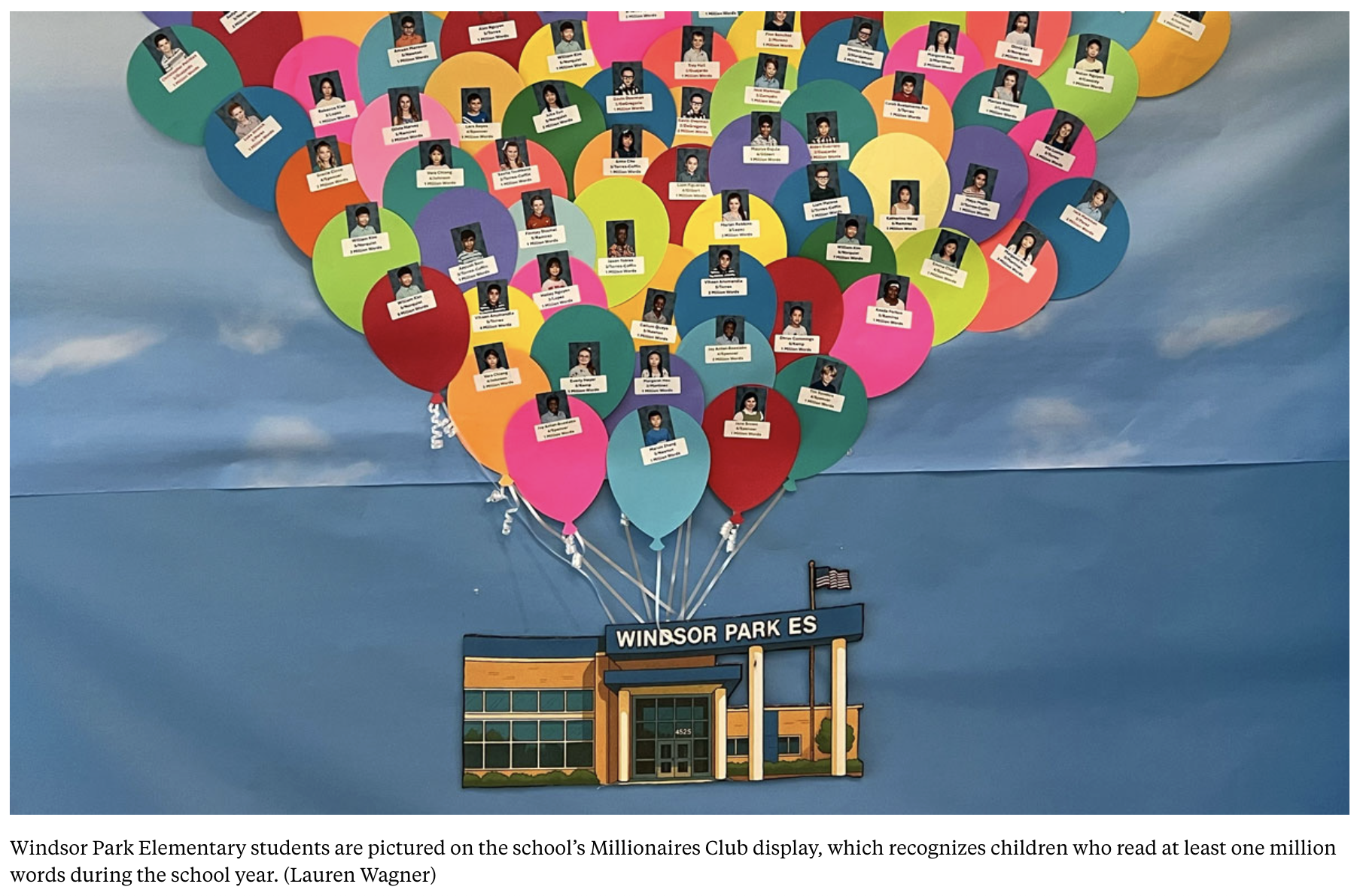
By the end of February, the students of Windsor Park Elementary in Texas had read over 315 million words, putting them well on track to beat out last year’s school record. After a student has read a million words, they are placed on the “Millionaire Club” display board to be cheered on by their classmates. “We’ve had kids come in when they take tours and say, ‘I’m going to be up there some day,’” school librarian Annelise Rodriguez told the 74 Million.